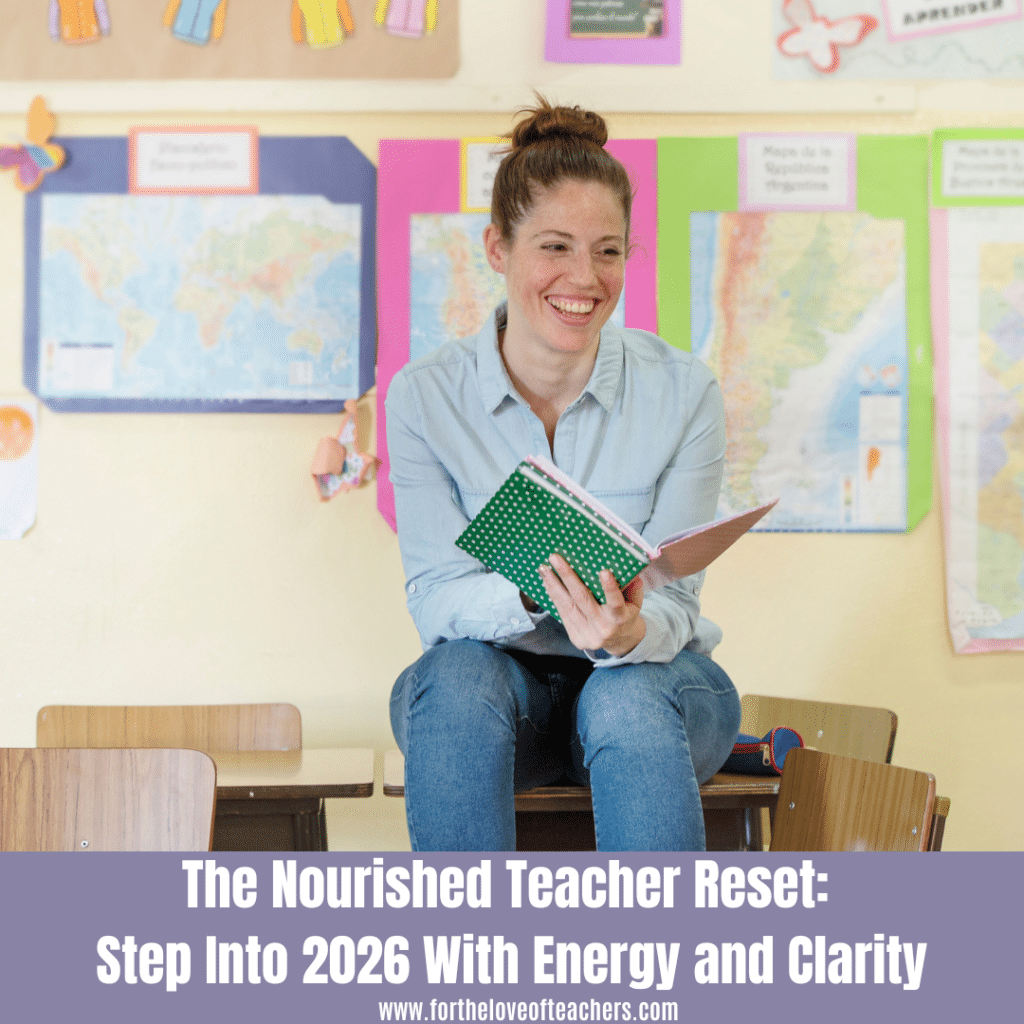
Why Teachers Need a Nourished Reset
Setting healthy goals is easy, but consistently achieving them, especially in the demanding world of education, is where many teachers get stuck. When your days are packed with lesson plans, grading, and supporting students’ emotional needs, it becomes far too easy to slip into habits that drain your energy instead of fueling it.
Optimal nourishment is holistic: it’s how you move, rest, connect, recharge, cope, think, and feel, not just what you eat and drink.
Let’s reimagine starting the year not running on empty, but teaching from a full cup, showing up with increased focus, creativity, productivity, emotional resilience, and genuine job satisfaction. To create sustainable change, we need to look under the hood of the brain. Just as you wouldn’t expect a car wash to make your engine run better without lifting the hood or trying to repair it without understanding what’s happening inside, no “perfect” plan or strategy will truly work unless the underlying neural patterns are addressed.
The Brain Science Behind Sustainable Habits
By applying neuroscience, psychology, nutrition, and sustainable habit strategies, teachers can build habits that not only stick throughout 2026 but truly transform how they think, perform, and feel on a daily basis.
One of the most powerful tools for habit change is neuroplasticity, which is the brain’s ability to learn, adapt, and rewire itself. The small behaviors you repeat each day literally reshape your neural pathways, which is why microhabits are so effective for busy teachers. These tiny actions work with your biology rather than against it and are achievable even on your most exhausting days.
Micro Habits That Build Lasting Change
Something as simple as adding an extra serving of color to your meal, drinking a glass of water before lunch, or taking a two-minute mindful break between classes can help build momentum and create long-lasting change. These tiny, doable habits make the brain say “YES,” showing you that you’re fully capable of following through. Honoring the promises you make to yourself is a powerful skill that strengthens both confidence and consistency.
Visualization is another powerful strategy because your brain does not distinguish between real and imagined experiences. This is why athletes like Michael Phelps used visualization not only to rehearse ideal outcomes but to prepare for the unexpected, such as when his goggles filled with water during a race. His ability to stay calm and focused led him to win gold.
Teachers can use visualization similarly by taking a moment to breathe slowly, picture themselves making nourishing choices, imagine responding with calm and confidence during stressful moments, and envision ending the day feeling grounded and successful. This primes the brain to follow through in real-life situations, helping teachers perform at their “gold medal” level every day in the classroom.
Teaching is emotionally demanding, and many teachers understandably may use food to cope with stress, overwhelm, loneliness, or burnout. While food offers temporary relief and instant gratification, it does not resolve the deeper emotional unmet need. Mindful eating strengthens emotional regulation by helping you differentiate between physical hunger, emotional hunger, environmental triggers, and exhaustion disguised as cravings. Practicing mindfulness during meals includes slowing down, savoring food, noticing hunger and fullness cues, and responding with intention. This new way of eating can help teachers build a healthier relationship with food and deepen their self-awareness, two essential skills for long-term well-being.
Are you supporting your energy, focus, and well-being with regular meals, snacks, and hydration throughout the day? If not, pause, notice, and decide differently because your choices today shape how you show up for yourself and your students.
Mindfulness, Visualization, and Emotional Regulation
To help teachers create sustainable change, I designed the SHIFT framework, which offers a structured, research-backed approach rooted in neuroscience, psychology, and behavior change. This framework guides educators through clarifying a vision of their future, cultivating compassion throughout the process, aligning their identity with who they want to become, focusing on their unique core four habits, and taking intentional action to create meaningful, lasting transformation.
We don’t get what we wish for; we become what we practice each day through our thoughts, habits, and daily routines. Just as you’ve mastered the skills to be an effective teacher, you have the power to master the skills for optimal nourishment, energy, and well-being.
The SHIFT Framework: A Roadmap for Teacher Well-Being
As teachers apply SHIFT, they build resilience, improve focus, creativity, clarity, and overall life satisfaction. This is not a typical wellness approach; it is a brain-based roadmap for transformation.
Creativity and problem-solving naturally increase because a regulated nervous system supports innovative thinking and calmer responses. With a well-fueled brain, energy management becomes easier, and executive functioning skills such as planning, prioritizing, and sustaining attention improve. These shifts lead to greater job satisfaction and engagement because teachers who feel physically and mentally strong show up with more clarity, joy, and enthusiasm. A small shift in habits can transform how you teach, how you feel, and how you move through every area of your life.
Healthy resolutions require more than willpower, discipline, or motivation; these resources are limited. What works is understanding your energy, understanding your brain, and working with it rather than against it. By applying these brain-backed strategies, teachers can create sustainable habits that support their mental, physical, and emotional well-being.
I believe that every teacher is unique, and one-size-fits-all strategies simply don’t work. I focus on each teacher’s specific brain, body, and wellness needs, meeting them exactly where they are. They deserve to feel supported in their energy, health, and performance goals so they can thrive both inside and outside the classroom. I’d be happy to share the roadmap featuring the nine core ingredients to build a strong, healthy relationship with your food, body, and mind. You can access a free download of my book, along with the microhabits worksheet, by joining my school email community here.
Cheers to the New Year, Newly Nourished Teachers, and to a 2026 filled with energy, clarity, and confidence.
Related posts:
4 Ways Teachers Can Take Back Their Mental Health
6 Effective Stress Management Techniques for Teacher Well-Being
5 Ways Teachers Can Take Care of Their Mental Health
About the Author: Lauren Dorman is the go-to School Registered Dietitian, Keynote Speaker, and Author. She’s a master detective of nutrition myths, a passionate change leader, and a creative problem solver dedicated to helping kids and adults untangle the complexities of food, body image, and emotions.
As the owner of Schools, Master Food and Mood, Lauren empowers students with her signature Strong Student Shift program, equipping them with 6 essential solution-focused skills to succeed. She also designed Pour From a Full Cup: Shift Your Approach to Nourishment, a presentation guiding educators to their personalized roadmap for optimal well-being.
With a Bachelor’s degree from Penn State and a Master’s degree from Rutgers University, Lauren is a trusted expert in evidence-based nutrition science. Her mission is to make reliable nutrition and health education accessible to all, helping individuals develop a confident relationship with food, mind, and body that lasts a lifetime.
Thanks for reading!
If you like it, then pin it!

Christine Weis is an elementary educator and the creator of For the Love of Teachers, where she shares practical classroom strategies, engaging teaching resources, and real-life ideas to help educators create meaningful learning experiences.

Leave a Reply