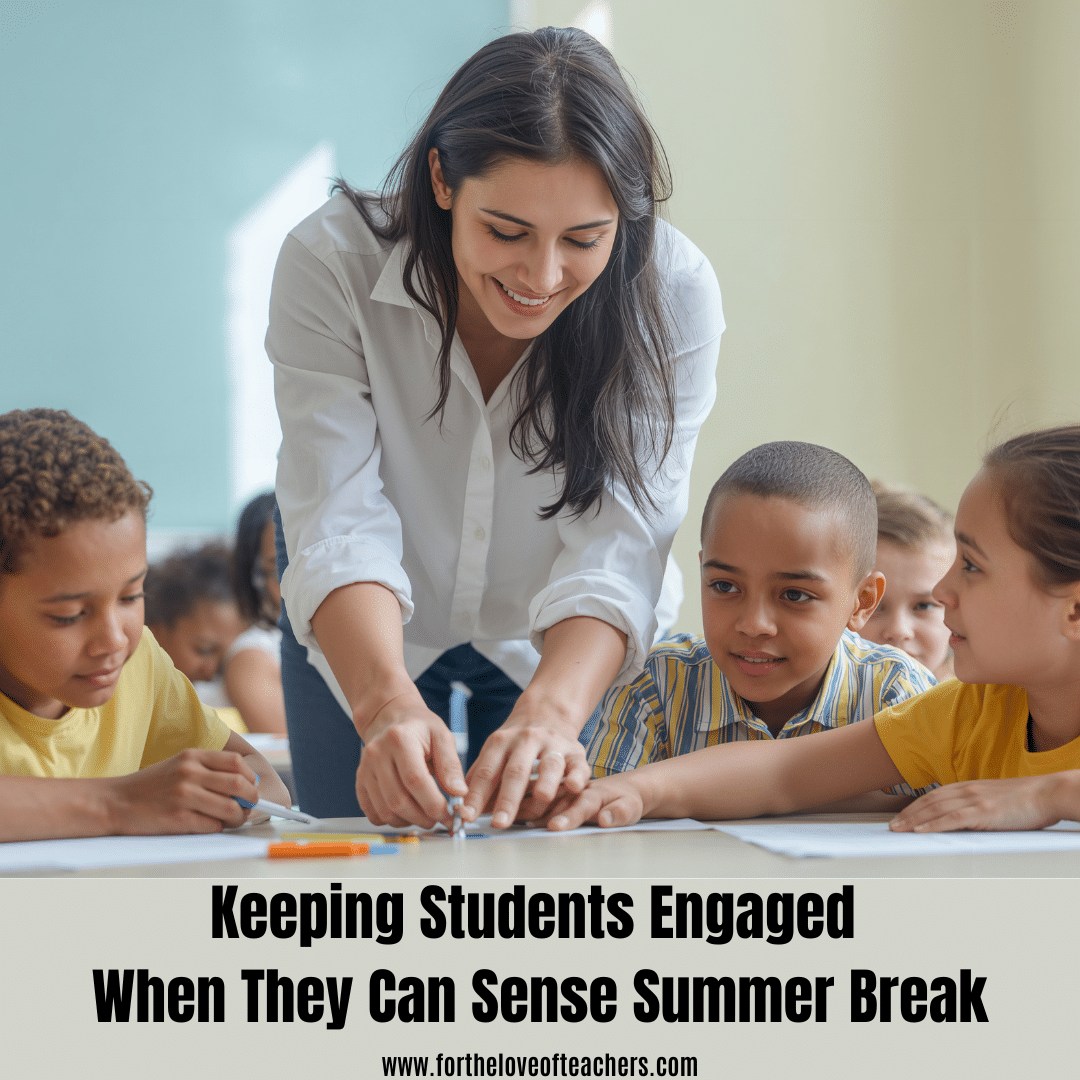
By the time the final weeks of the school year come before summer rolls around, you can feel the buzz in the air. The energy in your classroom has shifted, and engagement looks different. Attention spans are shorter, routines feel looser, and even your most attentive students seem to be dreaming about their summer break.
Rather than pushing through the seasonal changes, see it as the perfect time to adapt and adjust. With the right student engagement strategies, you can keep your lessons purposeful while acknowledging that energy levels, including yours, may be running low.
Keep Things Light
During this time of the year, young learners may find it harder to concentrate on complex lessons. Lighter, more flexible tasks with a predictable routine help maintain focus without overwhelming both the teacher and the student.
Try these ideas:
- Gentle starts: Start each lesson with a calm and predictable activity, such as a 10-minute morning meeting that signals class has begun.
- Visual schedules: Display simple daily plans so students know what to expect and what to do throughout the day.
- Bite-sized instructions: Break teaching into small portions to match shifting attention spans.
- Repeated structures: Use similar task formats that focus on content rather than complex guidelines.
Consistency matters during these few weeks, even when energy dips. Maintaining light but familiar end-of-school-year activities introduces a sense of stability into the classroom.
Implement Quick-Win Tasks
When motivation dips, long projects can feel heavier than usual. Instead, focus on achievable or quick-win tasks within a single lesson or part of one. This strategy helps establish momentum for students, keeping them engaged throughout the day.
Here’s how you can apply quick wins:
- One and done: Design lessons that begin and end within a single period to maintain momentum.
- Mini challenges: Set timed, focused tasks that give students a clear endpoint and a sense of accomplishment instantly.
- Fast shares: Instead of writing lengthy essays or answers, guide students to share their perspectives and takeaways verbally.
- Visual learning: Capture understanding using drawings, diagrams, or bullet points.
- Collaborative work: Form groups where students teach concepts to each other using a simple format, such as a short question-and-answer session.
- Rapid writing: Use prompts that require short creative answers rather than extensive written output.
Small wins help sustain engagement when energy is low. Research shows that students who are engaged are 2.5 times more likely to excel academically and earn high grades.
Move Classes Outdoors
As attention spans shorten, a change of environment can do more than any worksheet ever could. Taking learning outside doesn’t need elaborate planning. It can be as simple as shifting the same objectives into a different space.
Activities you can bring outdoors with minimal preparation include:
- Science observations: Encourage learners to record natural changes and link them to real-world environments.
- Reading circles outdoors: Choose a suitable spot outdoors where students can read together in a relaxed, shaded setting.
- Vocabulary walks: Introduce new words while exploring surroundings, making language learning active and memorable.
- Nature journaling: Invite students to use natural surroundings as inspiration for short descriptive writing, drawing, or poetry writing, such as three-line haikus or free verse.
Even short outdoor time can reset attention spans and significantly reduce restlessness. It also gives students space to be excited about summer, allowing them to engage in end-of-school-year activities differently.
Gamify Lessons
When energy is high, but focus is low, turn learning into a game. It can help students channel their enthusiasm productively as you keep to your lesson plans. Gamification doesn’t need to be digital or require complex setups. You can implement a low-prep game system using clear rules, achievable goals, and fun rewards.
Some ideas to get you started:
- Team point systems: Reward effort, collaboration, and consistency rather than only correct answers.
- Progress trackers: Let students visibly track and mark achievements, reinforcing a sense of movement toward completion.
- Timed challenges: Introduce short bursts of competition to maintain urgency and focus.
- Classroom quests: Frame learning objectives as part of a larger narrative or journey.
- Mystery challenges: Introduce hidden tasks and rewards that you will gradually reveal once they pass different levels to maintain curiosity and motivation.
Gamifying lessons works because it shifts the focus from doing schoolwork to completing a challenge. These strategies also support engagement without requiring you to reinvent your content.
Lean in to Summer
Everyone knows summer is coming, so join in the sense of anticipation and excitement while staying focused on your teaching goals. Acknowledging students’ restlessness and anticipation while adapting lesson plans to meet their needs often leads to better emotional regulation and classroom engagement.
Consider these ways to lean in:
- Memory sharing: Invite students to reflect on moments that mattered to them this year.
- Gratitude exchange: Encourage recognition of classmates’ support and kindness.
- Calm countdowns: Use visual tools like a digital timer or chalkboard as a fun way to count the days to summer and show time passing without overhyping it.
- Future hopes: Discuss with students what they want next year to feel like.
- Gentle celebrations: Reflect on students’ milestones as the school year winds down toward summer.
Summer Is Coming
These few weeks leading up to summer are rarely about delivering lessons perfectly. When energy and engagement levels are shifting, it’s a great time to refocus your teaching on maintaining momentum, structure, and connection. Ultimately, strong student engagement strategies during this time of the year should be steady and intentional, while gently supporting the transition into their break.
What’s one small shift you’re making in your classroom right now to help keep students engaged as summer break approaches?
About the Author: Tessa Dodson is the Senior Writer of Classrooms.com and is passionate about supporting teachers of all subjects and levels to improve classroom environments. She specializes in covering educational trends, technology integration, and practical strategies to help educators succeed.
Related Posts:
How To Survive The Final Weeks of School: Teacher’s Edition
5 Must-Do End-of-Year Activities
5 Meaningful Ways to Engage Students at the End of the Year
Thanks for reading!
If you like it, then pin it!



Christine Weis is an elementary educator and the creator of For the Love of Teachers, where she shares practical classroom strategies, engaging teaching resources, and real-life ideas to help educators create meaningful learning experiences.

Leave a Reply